







Chat with us
Online
00:00
Hi! How can I help you?

GAIA® DF CONCEPT LINE
Shredding refining discs represent a specialized technology for differential fiber processing, including applications in fiber cement, leather processing, industrial rubber and viscose. This equipment differs significantly from conventional pulp and paper refiners, requiring specific geometries, strong alloys and configurations adapted to each type of material processed.
Industry Applications & Products
Deflakers are not limited to paper recycling. They are critical in any industry where raw material arrives in bundles, sheets, or flakes that must be individualized for processing. Select an industry to explore specific deflaker roles and manufactured products.
Mastering Fibre Homogeneity
in Differential Processing
Unlike standard refining which fibrillates or cuts fibres, Deflaking focuses on the hydraulic and mechanical separation of fibre bundles ("flakes") into individual fibres without changing their freeness or length.
Core Function
Shear forces + Acceleration + Impact = Flake Disintegration without Fibrillation.
Structural Catalog: Target Industries and Technology Integration Summary
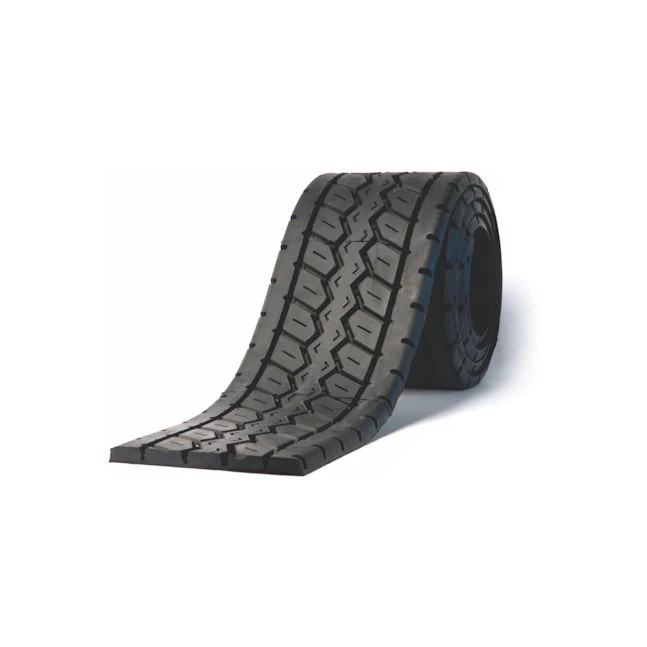
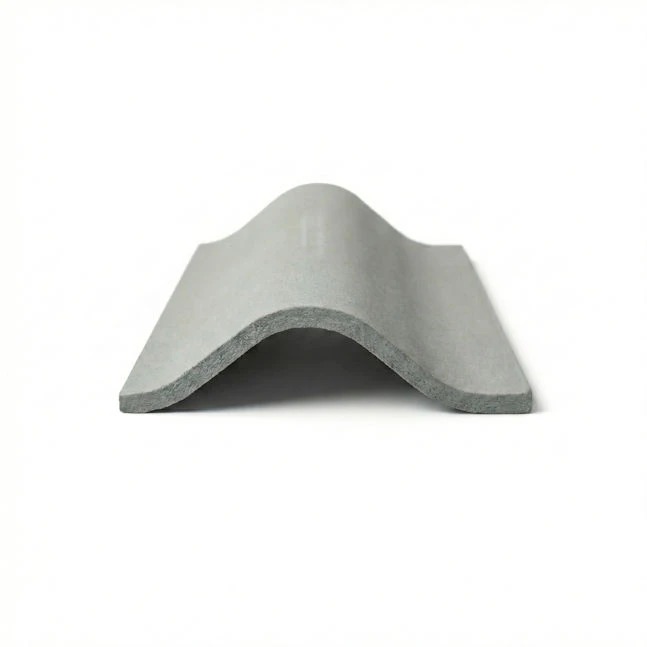
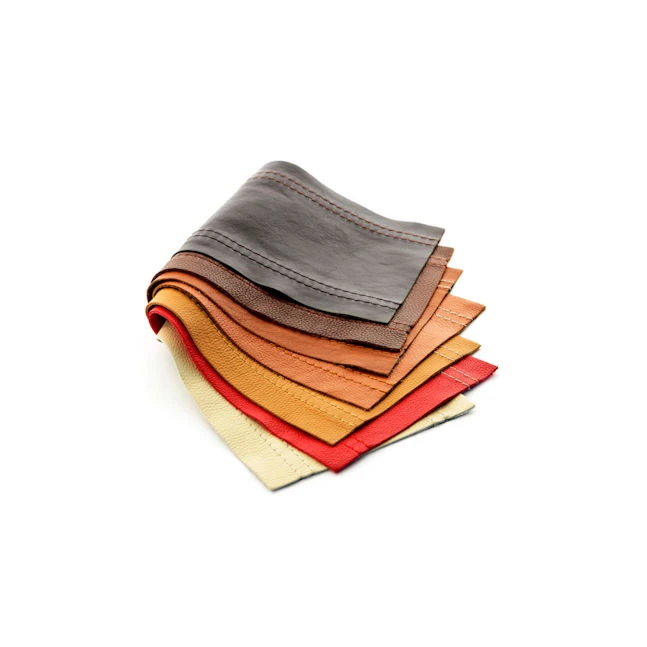

Gaia DF Refiner-Fillings by Application
| Primary Industrial Sector | Processing Materials | Specific Equipment Used in the Production Line |
| Textile and Viscose Recycling | Pre and post-consumer cotton/viscose waste; regenerated synthetic fibres. | High-Speed Deflakers and Plates; Conical Refiners (DP reduction and homogenization prior to xanthation). |
| Leather, Upholstery and Circular Fashion | Chrome/vegetable-tanned bovine leather shavings from shaving and splitting phases. | Granulation Shredders Conical Refiners / Shredding Plates for Wet Fibrillation. |
| Rubber, Automotive and Tires | End-of-Life Tires (ELT); Contaminated fluff (elastomer/nylon). | Dry Attrition Mills; Toothed Deflakers; Pneumatic Zigzag Separators (Fibre Fraction Isolation). |
| Civil Construction and Engineering | Autoclaved cementitious mixtures; Virgin kraft pulp suspensions and shredded recycled aggregates. | Double Disc High-Consistency Refiners; Four-Shaft Shredders (Demolition Dismantling). |
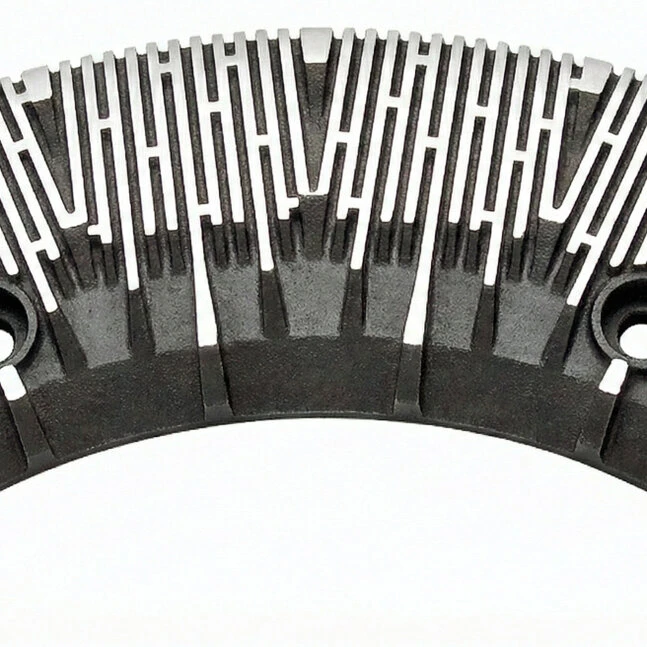
Leather Processing
Tannery Applications
Leather processing uses defibreing equipment for preparation of regenerated leather fibres and processing of shavings [5]. These systems differ significantly from conventional refiners due to the unique characteristics of the material.
Material Characteristics
- Complex Fibrous Structure: Interwoven collagen fibres
- Variable Strength: Dependent on leather type and tanning
- Presence of Oils: Requires specific cleaning systems
- Variable pH: Acidic or basic environments depending on the process
Technical Specifications
- Rotation: 800-1,200 RPM (lower than conventional deflakers)
- Adjustable Gap: 1-5 mm for different types of leather
- Cleaning System: Continuous washing for oil removal
- Disc Materials: 316L stainless steel or corrosion-resistant alloys
Products and Applications
Regenerated Leather Fibres: For the production of reconstituted leather and composite products.
Trimming Processing: Recovery of fibres from tannery waste for secondary applications.
Rubber Defibreing
Vulcanized Rubber Recycling
The rubber recycling industry uses specialized defibration systems to process used tires and other vulcanized rubber products [6]. This process is fundamental for the circular economy of rubber.
Technical Challenges
- High Mechanical Resistance: Vulcanized rubber is extremely resistant
- Elasticity: Material tends to return to original shape
- Contaminants: Presence of steel, fabric, and other materials
- Heating: Process generates heat that can degrade the material
Cellulose Refining for Fibre Cement
The fibre-cement industry uses specialized refining plates to process pulp that will be incorporated into cementitious matrices. The process requires precise control to maintain the reinforcing properties of the cellulosic fibres.
Specific Requirements for Fibre Cement
- Length Preservation: Fibres should maintain 2-4 mm average length
- Controlled Defibration: Beam separation without excessive cutting
- Optimized Consistency: 4-5% for maximum efficiency
- Low Fines Generation: <15% to maintain mechanical properties
Specialized Discs for Fibre Cement
Adapted Geometry: Discs with wider bars (2-3 mm) and deep grooves (3-4 mm) to process cellulosic fibres without excessive damage.
Tough Materials: Duplex stainless steel alloys (2205, 2507) or high-chromium steels to withstand the alkaline environment of cement.
Typical Configurations
- AT-RF Dual Disc Refiners (Geasa)
- Capacity: 50-200 t/day dry pulp
- Specific power: 15-25 kWh/t
- Shelf life of two discs: 8-12 months
Benefits in the Final Product
- Improved Workability: Well-defibered fibers facilitate molding
- Mechanical Strength: Preservation of reinforcing properties
- Homogeneity: Uniform distribution in the cementitious matrix
- Defect Reduction: Less lumping and agglomerate formation
Get in Touch
Ready to improve refining performance or build custom metal parts?
Tell us about your challenge and attach drawings or data—we’ll respond quickly.
To speed up your RFQ, include: current refiner model and motor size, furnish breakdown (species/moisture), target tph, current kWh/t, target board specs (IB, MOR, TS), resin/wax system, and any fouling or wear concerns. You can attach photos or data files in the form.