






Go to content
SCIENCE-DRIVEN METAL PERFORMANCE
Skip menu
CUSTOMIZED REFINER FILLINGS FOR ALL APPLICATIONS
DESIGN FOR MANUFACTURING
ADVANCED REFINING CONCEPT
Chat with us
Online
00:00
Hi! How can I help you?

Developing a concept for high-performance, customized refiner fillings requires a multi-dimensional approach that balances metallurgical integrity with precision geometric design. To create a truly "all-application" framework, the focus must shift from mass production to a modular, application-specific engineering model.

Key Takeaway: High performance is achieved when the Specific Edge Load is perfectly tuned to the Metallurgical Toughness of the plate, ensuring the longest possible lifecycle without sacrificing fiber quality.
The central premise in engineering high-performance refiner fillings is recognizing that the biological and chemical variability of the raw material demands diametrically opposed energy profiles.
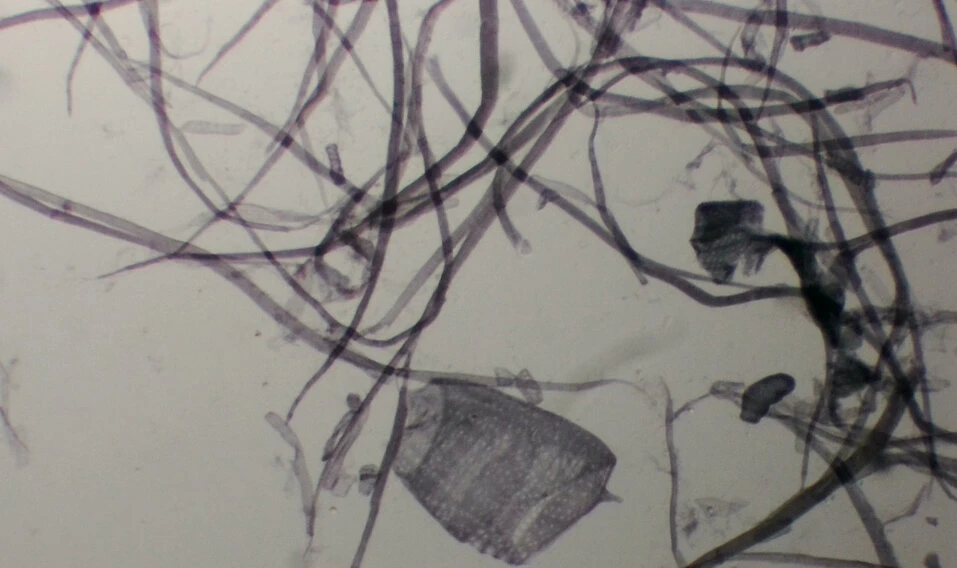
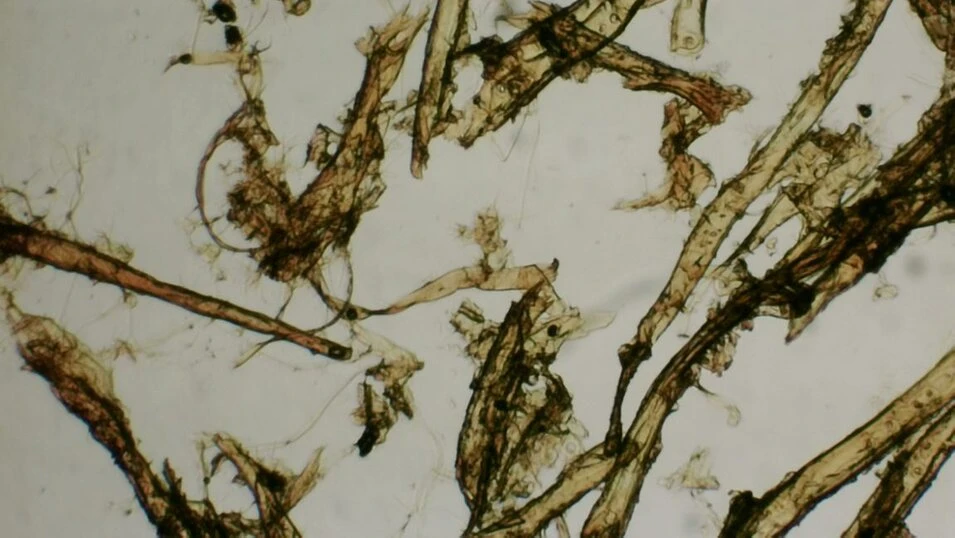
The Fiber Categories
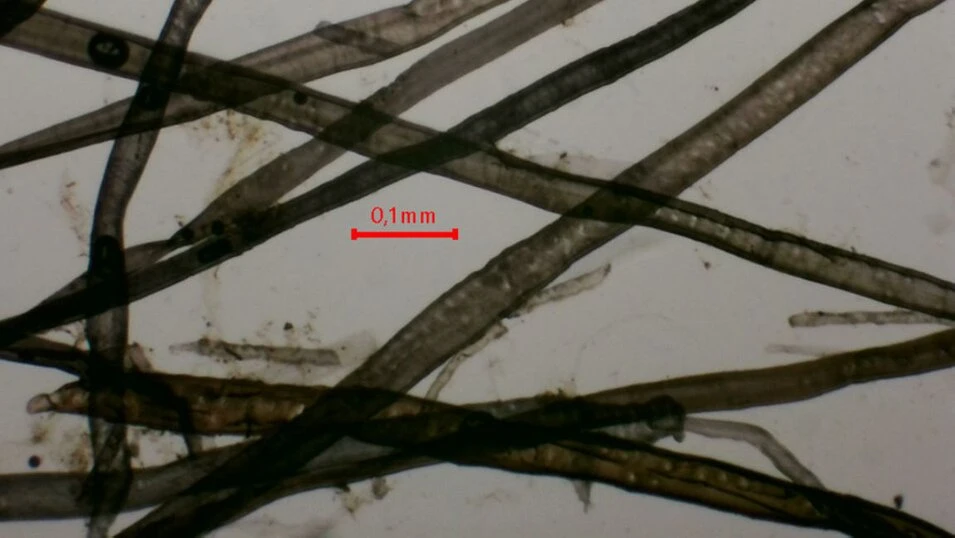
Industrial cellulosic fibers are categorized into four broad spectrums. The treatment of each category dictates the macro and microgeometry of the refiner plate. These images are scanning electron micrographs, providing a detailed view of the fiber morphology.
Key Performance Indicators (KPIs)

To evaluate the efficiency of refiner plates, Prometals engineers look at:

  • SEL (Specific Edge Load): Measures the intensity of the refining action.
  • Net Specific Energy: The energy consumed specifically for fiber development (kWh/t).
  • Service Life: Usually measured in operating hours or tons produced before the bar height reaches a critical minimum.
Technical Specifications and Mounting

The mounting system is crucial for operational safety and precision.

  • Bolted Connection: The most common method. The plates feature recessed holes to ensure bolt heads do not interfere with the refining gap.
  • Segmented Design: Large discs are rarely one solid piece; they are composed of multiple segments that form a complete circle. This allows for easier replacement and thermal expansion management.
  • The Refining Gap: The distance between the rotor and stator plates is often measured in microns.

Modern systems use S = f (L, p) where S is the gap, L is the load, and p is the pulp pressure to maintain optimal fiber development.

Anatomy and Profile Geometry

The configuration of bars and grooves determines the hydraulic capacity and the type of fibre treatment. Plates with slim bars maximise the Cutting Edge Length (CEL), ideal for short fibres. Wide bars favour fibrillation and strength development.

Segment Cross-Sectional Profile

Bar (Refining Surface)
Groove
Hydraulic Channel (Flow)
Leading Edge (Cutting)
Dam
Sub-Surface Dam
Bar: Where energy transfer occurs.
Dams: Force fibre to the surface.

Profile Comparison: "Cutting" Pattern (Slim Bars) vs. "Fibrillating" Pattern (Wide Bars).

Materials Science and Alloys

Modern metallurgy seeks the impossible balance: extreme hardness to resist abrasive wear, and sufficient toughness to avoid impact breakage. The chart below compares the most common alloys.

Ni-Hard (White Cast Iron)

Historically common. Very hard, but extremely brittle. Low corrosion resistance.

Stainless Steel (400 Series)

Standard balance. Good toughness and corrosion resistance. Moderate hardness.

High Chrome

The "premium" standard. Complex carbide matrix. Excellent lifespan and edge retention.

Performance Analysis

Comparative Property Spectrum

This visualisation compares the fundamental strengths of each Prometals compound. Understanding the balance between thermal resistance, slag repellency, wear tolerance, and temperature limits is the first step towards successful material selection. Observe how highly specialised materials like PEGASUS contrast with balanced options such as TRITAN.

Maintenance and Safety

Tramming: Ensuring the two discs are perfectly parallel. Even a slight deviation can lead to "plate clash," destroying the segments and potentially damaging the refiner shaft.

Visual Inspection: Checking for "rounding" of the bar edges, which leads to a drop in paper strength properties.

Note: The selection of plate metallurgy and pattern must be balanced between the desired tensile strength of the paper and the energy consumption of the mill.

Fault Diagnostics

Common problem identification matrix based on visual analysis of used refiner plates.

!

Clashing

Polished or crushed bar surfaces.

Cavitation

"Sponge-like" erosion on trailing edges.

Plugging

Blocked grooves, burnt stock.

Normal Wear

Uniform rounding of the leading edge.

Get in Touch
Ready to improve refining performance or build custom metal parts?
Tell us about your challenge and attach drawings or data—we’ll respond quickly.
About Prometals

Prometals is a leader in precision metallurgy, developing advanced refining sets and custom metal components for demanding industrial applications. We combine decades of expertise with CAD/CAM design, CNC machining, and high‑induction furnace processes to deliver tailored performance for paper & pulp, engineered wood panels, and food processing sectors.
SCIENCE-DRIVEN METAL PERFORMANCE
About Prometals

Prometals is a leader in precision metallurgy, developing advanced refining sets and custom metal components for demanding industrial applications. We combine decades of expertise with CAD/CAM design, CNC machining, and high‑induction furnace processes to deliver tailored performance for paper & pulp, engineered wood panels, and food processing sectors.
Privacy Policy
Cookie Policy
Privacy Policy
Cookie Policy
Created with WebSite X5
Copyright © 2026 Prometals Inc.
Back to content
Application icon
Prometals Steel Grades Precision Metallurgy Install this application on your home screen for a better experience
Tap Installation button on iOS then "Add to your screen"